Omo Valley Tribes

Cultural immersion with the diverse ethnic groups of Ethiopia's Omo Valley. Authentic tribal experiences and unique traditions.

Omo Valley Tribes — Cultural Immersion

Select Itinerary:

Standard 8-Day Tour
Extended 12-Day Tour
Photography Focus
Duration
8 Days / 7 Nights
Route
Addis Ababa → Arba Minch → Jinka → Turmi → Konso
Difficulty
Moderate
Best Season
June – September
Group Size
Small Group (Max 8)
UNESCO Sites
1 World Heritage Site

Overview

Journey to the remote Omo Valley in southern Ethiopia, home to some of Africa's most fascinating and culturally diverse ethnic groups. This immersive cultural experience takes you deep into the traditions, rituals, and daily lives of tribes that have maintained their ancestral ways for centuries.

From the lip-plate wearing Mursi to the body-painting Karo and the bull-jumping Hamer, you'll witness unique customs and ceremonies that offer a window into humanity's diverse cultural heritage. This journey is not just a tour, but a profound cultural exchange that will transform your understanding of human society.

Meet the Tribes

Mursi People

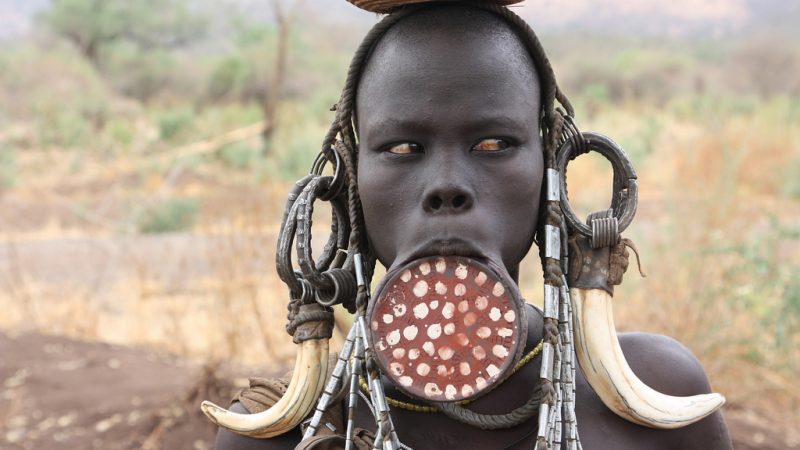
Known for their distinctive lip plates, the Mursi are one of the last groups in Africa where women wear large clay or wooden plates in their lower lips.

Hamer People

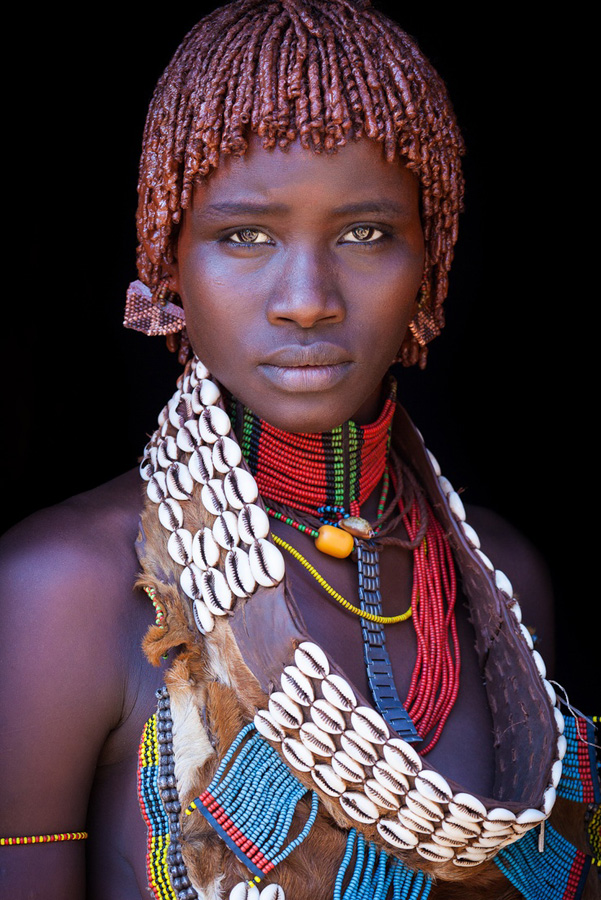
Famous for their bull-jumping ceremony, intricate hairstyles, and decorative body scarring, the Hamer maintain rich cultural traditions.

Karo People

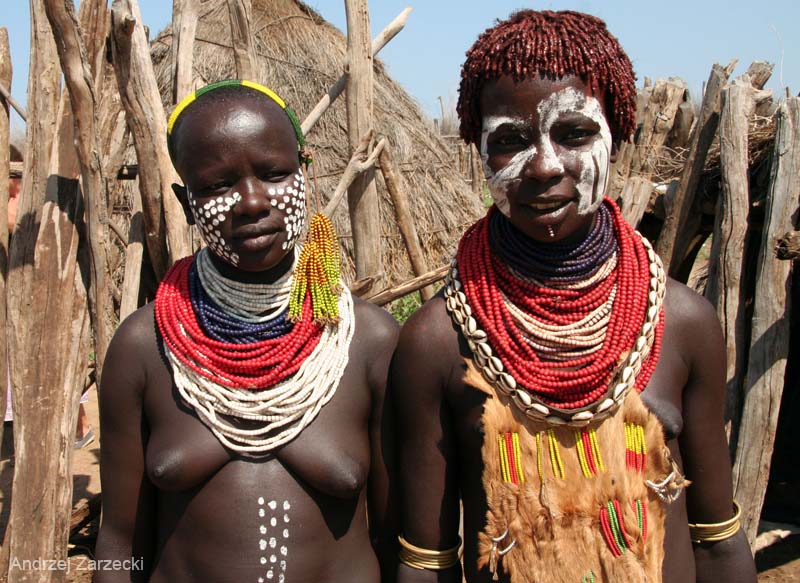
Masters of body painting, the Karo use chalk, charcoal, and other natural pigments to create elaborate designs for ceremonies and daily life.

Dassanech People

Living near the Omo River delta, the Dassanech are skilled fishermen and cattle herders with complex age-set systems.

Nyangatom People

Known as "Bume" by their neighbors, the Nyangatom are pastoralists with distinctive beaded necklaces and intricate scarification.

Konso People

Famous for their agricultural terracing and woven cotton clothing, the Konso maintain a UNESCO-recognized cultural landscape.

Day-by-Day Itinerary

Day 1 — Addis Ababa to Arba Minch

Activities

Fly from Addis Ababa to Arba Minch, a town whose name means "Forty Springs." After settling into your hotel, visit a local Dorze village known for their tall beehive-shaped huts and intricate cotton weaving. Enjoy a traditional Dorze coffee ceremony.

Accommodation: Lodge in Arba Minch

Day 2 — Arba Minch to Jinka

Activities

Take a boat trip on Lake Chamo to see crocodiles and hippos. Then drive to Jinka, the administrative center of the South Omo Zone. Visit the South Omo Research Center Museum to learn about the region's diverse cultures before continuing to your lodge.

Accommodation: Lodge in Jinka

Day 3 — Mursi Tribe Visit

Activities

Drive to Mago National Park to visit a Mursi village. The Mursi are famous for the clay plates worn by women in their lower lips. Witness their distinctive body decoration and learn about their unique cultural practices. Return to Jinka in the evening.

Accommodation: Lodge in Jinka

Day 4 — Jinka to Turmi via Key Afer Market

Activities

Drive to Turmi, stopping at the Key Afer market where Ari, Banna, and Hamer people gather to trade goods. This colorful market offers excellent opportunities for cultural interaction and photography. Continue to Turmi, home of the Hamer people.

Accommodation: Lodge in Turmi

Day 5 — Hamer Tribe & Bull Jumping Ceremony

Activities

Visit a Hamer village to learn about their traditions. If scheduled, witness the famous bull-jumping ceremony - a rite of passage for young Hamer men. Women perform the evangadi dance and may request to be whipped to show their loyalty to the jumper.

Accommodation: Lodge in Turmi

Day 6 — Karo Tribe & Omorate

Activities

Visit the Karo people, known for their elaborate body painting using chalk, charcoal, and other natural pigments. Then travel to Omorate to meet the Dassanech people who live near the Omo River. Return to Turmi for the night.

Accommodation: Lodge in Turmi

Day 7 — Turmi to Konso

Activities

Drive to Konso, a UNESCO World Heritage cultural landscape. Visit a traditional Konso village with its unique fortified settlements, impressive terracing, and generation markers called waga statues. Learn about their agricultural practices and social structure.

Accommodation: Lodge in Konso

Day 8 — Return to Addis Ababa

Activities

Transfer to Arba Minch airport for your flight back to Addis Ababa. Depending on your international flight schedule, you may have time for some last-minute souvenir shopping or a farewell dinner at a traditional Ethiopian restaurant.

Cultural Etiquette

When visiting tribal communities in the Omo Valley, it's important to respect local customs and traditions:

  • Always ask permission before taking photographs
  • Dress modestly and respectfully
  • Follow your guide's instructions at all times
  • Be prepared to pay small fees for photography (this supports the community)
  • Avoid giving money or gifts directly to children
  • Respect ceremonial spaces and rituals

Included / Excluded

  • All domestic flights as per itinerary
  • Professional licensed English-speaking guide
  • All accommodation (lodges and camps)
  • All meals during the tour
  • All transportation in 4WD vehicles
  • All park entrance fees and permits
  • Cultural village visit fees
  • International flights
  • Visa fees
  • Travel insurance
  • Alcoholic beverages
  • Personal expenses
  • Tips for guides and drivers
  • Photography fees in villages

Highlights

Mursi Lip Plates

Witness the distinctive tradition of lip plates worn by Mursi women, a unique cultural practice found nowhere else.

Hamer Bull Jumping

Experience the dramatic bull-jumping ceremony, a rite of passage for young Hamer men entering adulthood.

Karo Body Painting

Admire the intricate body paintings of the Karo people, created using natural pigments and chalk.

Colorful Markets

Visit vibrant local markets where different tribes gather to trade goods, socialize, and celebrate.

UNESCO World Heritage Site

Konso Cultural Landscape

A spectacular example of living cultural tradition with stone-walled terraces and fortified settlements that have existed for over 400 years.

What to Bring

  • Lightweight, modest clothing
  • Comfortable walking shoes
  • Sun protection (hat, sunscreen)
  • Camera with extra memory cards and batteries
  • Small bills for village photography fees
  • Personal medications and first aid kit
  • Daypack for daily essentials
  • Reusable water bottle

Gallery

Testimonials

A life-changing cultural experience

The Omo Valley tour was the highlight of our Ethiopia trip. Our guide was incredibly knowledgeable about the different tribes and their customs, and he helped facilitate meaningful interactions rather than just tourist observations. Seeing the bull-jumping ceremony was a once-in-a-lifetime experience. The accommodations were comfortable considering the remote location, and the food was surprisingly good. Highly recommend this tour for anyone interested in anthropology or cultural photography.

— Sarah J., United Kingdom
Authentic and respectful cultural immersion

We were concerned about ethical tourism in the Omo Valley, but Discover Simien Tours handled everything with great respect for the local communities. Our guide explained the cultural protocols, helped with appropriate interactions, and ensured that our visits benefited the tribes through the village fees. The Mursi, Hamer, and Karo visits were particularly memorable. This isn't a comfortable luxury tour, but it's an incredibly rewarding experience for those willing to step outside their comfort zone.

— Michael T., Canada

FAQ

What is the best time to visit the Omo Valley?

The best time is during the dry season from June to September when roads are more passable and cultural activities like ceremonies are more frequent. The weather is also more comfortable during these months.

Are the domestic flights included?

Yes, all domestic flights as specified in the itinerary are included in the tour price.

What is the accommodation like in the Omo Valley?

Accommodation ranges from basic lodges to comfortable tented camps. While not luxurious, all accommodations are clean, safe, and provide the necessary amenities. This is part of the authentic Omo Valley experience.

Is it safe to visit the Omo Valley tribes?

Yes, with an experienced guide, visiting the Omo Valley tribes is safe. Our guides have established relationships with the communities and understand local customs and protocols to ensure respectful and secure interactions.

Can I take photographs of the tribes?

Yes, photography is generally permitted, but you should always ask permission first. Most tribes request a small fee for photography (typically 5-10 Birr per person), which goes directly to the community. Your guide will help facilitate this process.

Ready for a Cultural Journey of a Lifetime?
Book your Omo Valley tribes experience and immerse yourself in ancient traditions.